|
|
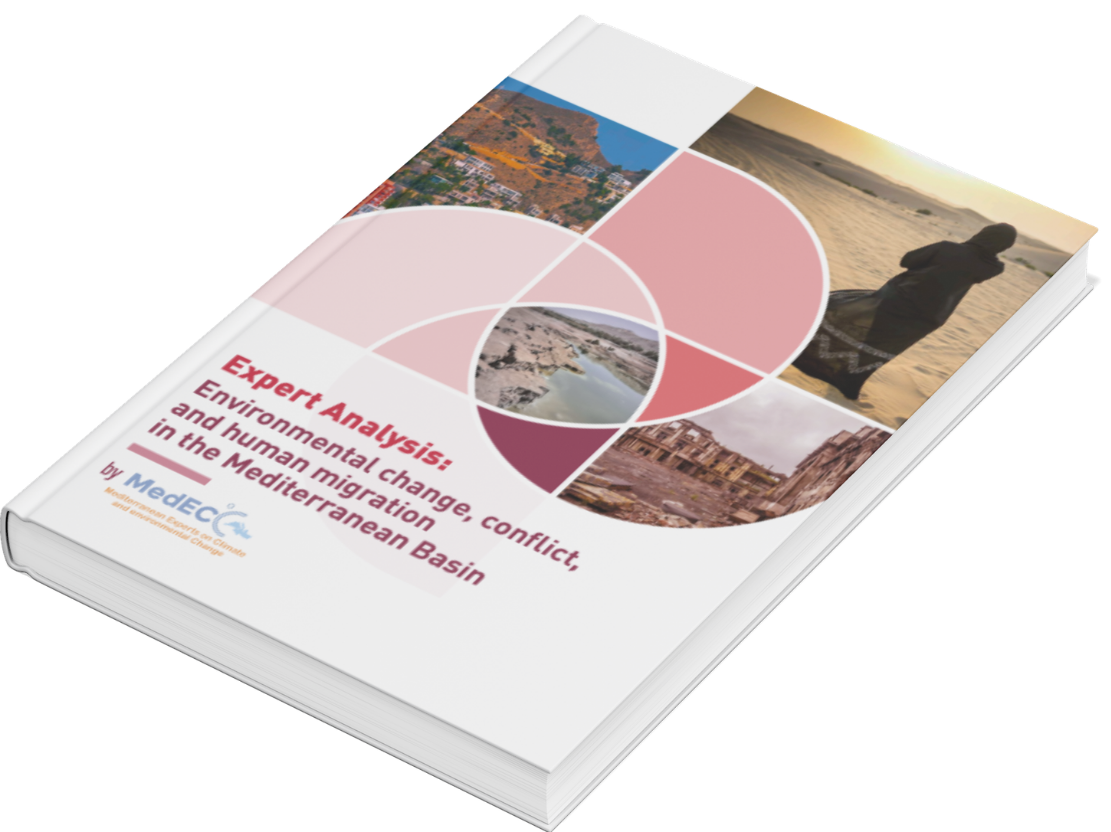
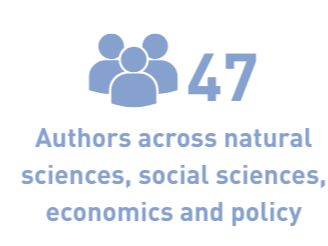
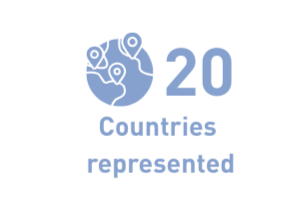
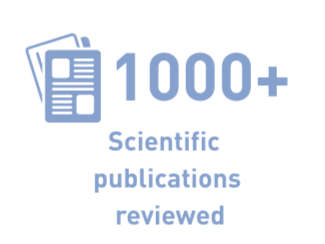
As the Mediterranean Basin experiences one of its most unstable periods in decades, the MedECC network has published a comprehensive expert analysis on the interlinkages between environmental change, conflict, and human migration. Based on over 1,000 scientific publications and compiled by 42 experts from 20 countries, using a rigorous process inspired by IPCC standards, this report addresses the unprecedented challenges for regional governance posed by this complex nexus. Its aim is to improve the shared understanding of the determinants, trends, and impacts of human migration in the Mediterranean region, and to inform policy measures capable of minimising human suffering, allocating resources effectively, and supporting regional stability.
|
|
|
|
|
|
|
|
|
Three things this report asks you to reconsider
|
|
|
1. Most environmentally driven migration doesn't cross borders
|
|
|
|
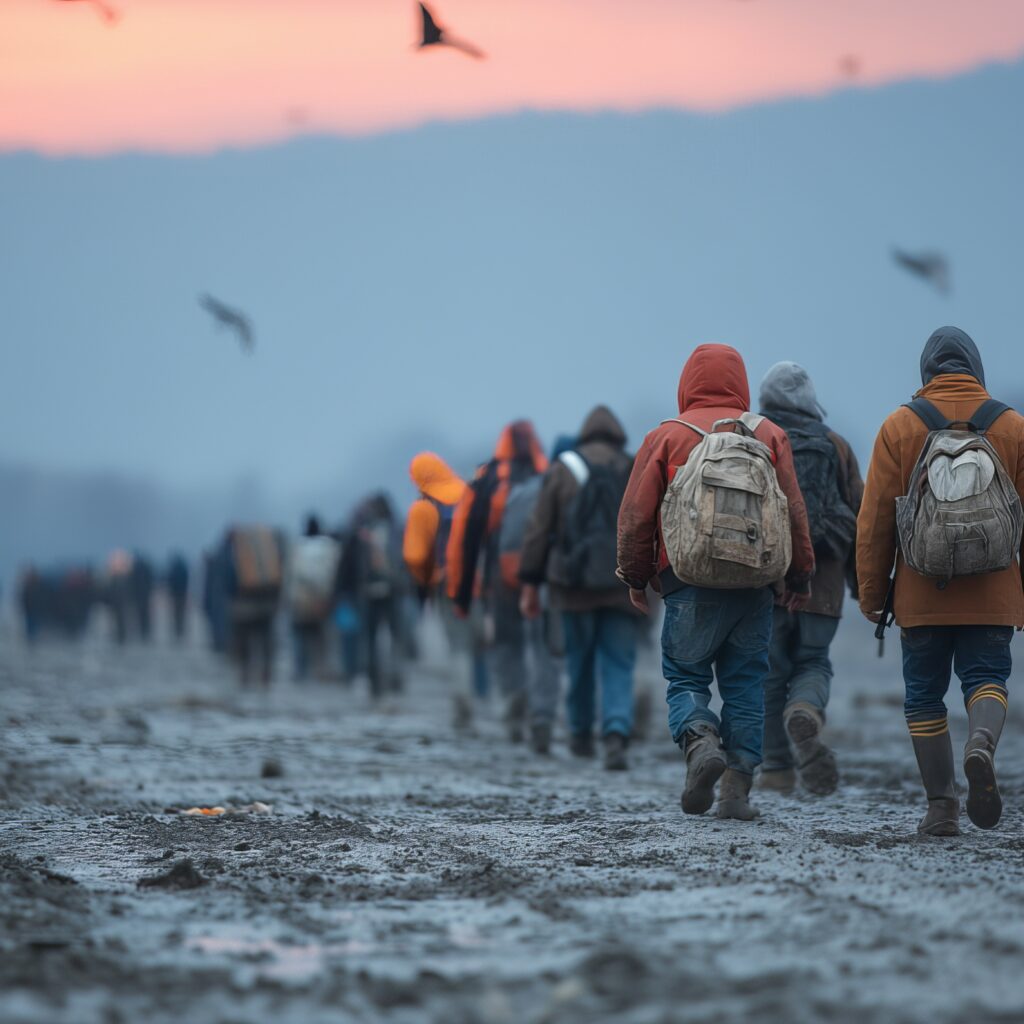
The dominant public narrative frames Mediterranean migration as a mass movement from south to north, across the sea. The evidence tells a more nuanced story. The majority of environmentally driven displacement occurs within national borders, primarily from rural areas to cities, remaining often invisible in political debate, yet having profound consequences for host communities receiving displaced populations.
|
|
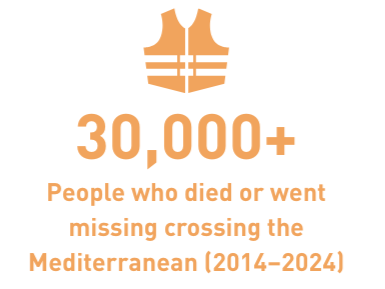
This invisibility contrasts sharply with the high visibility of irregular sea crossings, which dominate public attention. Between 2014 and 2024, more than 30,000 people were recorded as having died or gone missing while crossing the Mediterranean. This humanitarian tragedy demands urgent attention, alongside a clearer understanding of what actually drives people to move, or not.
|
|
|
|
|
|
2. The environment doesn't cause conflict, but it makes everything worse
|
|
|
|
Environmental change is not the direct and exclusive trigger of armed conflict. But it acts as a powerful threat multiplier, amplifying pre-existing vulnerabilities such as poverty, poor governance, and inequality. A vicious circle takes hold: environmental stress increases the risk of conflict, conflicts degrade ecosystems and livelihoods, and both together trigger displacement, placing additional pressure on already strained host communities.
|
|
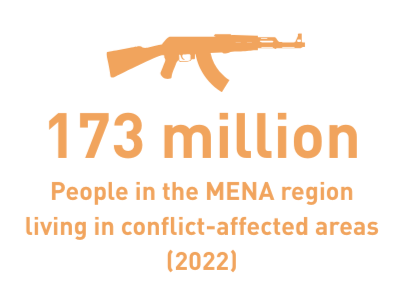
In 2022, 38% of the population in the MENA region, approximately 173 million people, lived in conflict-affected areas. In 2023, 40.5% of the world’s refugees by region of origin came from the MENA.
|
|
|
|
|
|
3. "Trapped populations": the blind spot of migration policy
|
|
|
While much attention is focused on the people who move, those who cannot (the trapped population) remain largely overlooked.
|
|
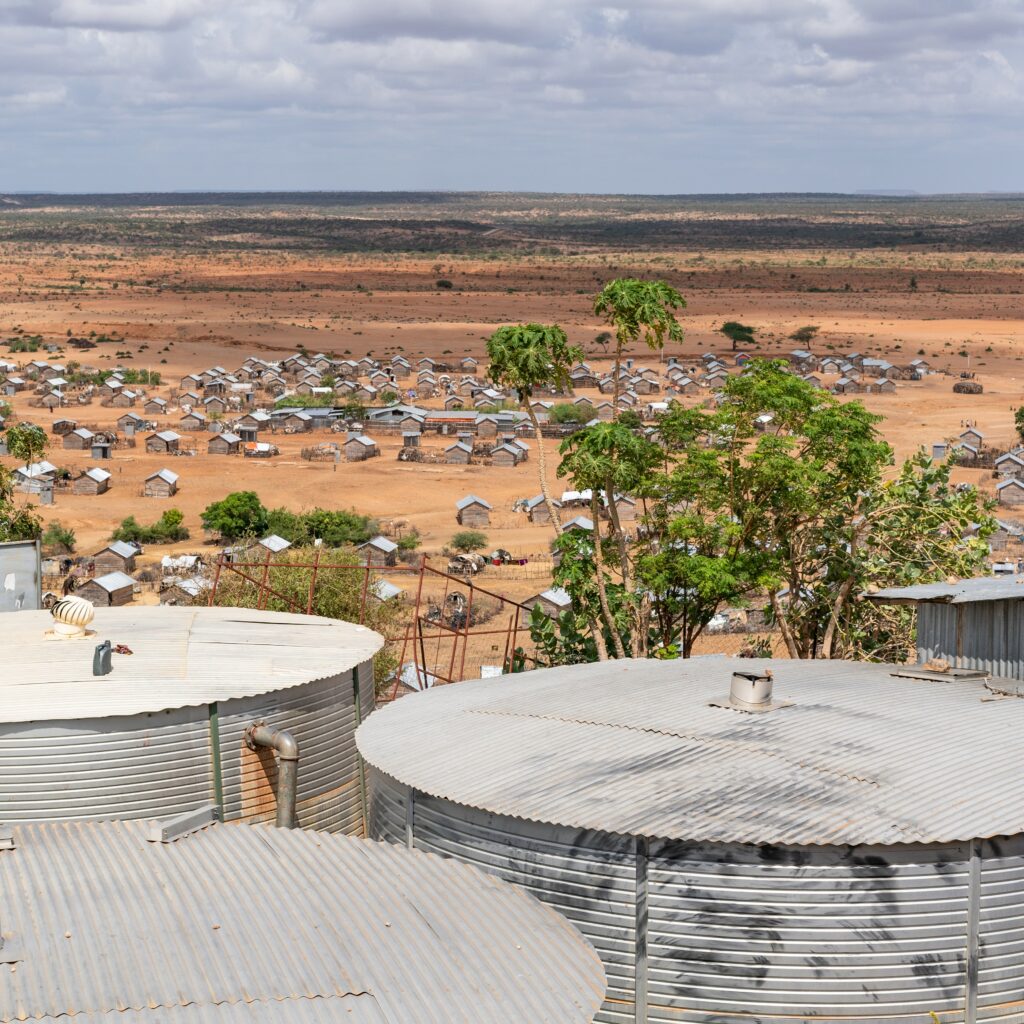
"Trapped populations", people who wish to leave deteriorating or dangerous conditions but lack the financial, legal, or social means to do so, represent an underestimated reality that current migration policies largely fail to address.
|
|
|
|
|
|
|
|
|
|
|
|
|
|
|
|
What the report calls for
|
Scientific knowledge to act is already available. What is still needed is political will, regional cooperation, and a shift in how we frame the problem: from security threat to shared development challenge. The report highlights three priority areas:
|
- Strengthening adaptation policies in the southern and eastern Mediterranean, particularly on water management, sustainable agriculture, and green infrastructure: measures that reduce displacement before it becomes forced.
- Closing the legal gap on the protection of environmentally displaced persons, who remain excluded from international refugee frameworks under the 1951 Refugee Convention.
- Investing in interdisciplinary research and improving empirical databases to better understand and anticipate environmental migration dynamics at the regional level.
|
Effective responses, the report stresses, must be simultaneously climate-sensitive and conflict-sensitive: because the two cannot be addressed in isolation.
|
|
|
|
|
|
|
|
MedECC Coordinators: Salpie Djoundourian, Joël Guiot, and Piero Lionello
MedECC Secretariat: Kasia Marini, Julie Gattacceca, Hélène Valentine Ferreira Martins, and Pauline Simon
|
|
|
Please contact the MedECC Secretariat if you would like relevant publications, news, material to be published in the next newsletter to share with the community: contact@medecc.org
|
|
|
|
|
|
Supporting institutions
|
|
The content and views expressed in this expert analysis are purely those of the authors and may not, in any circumstances, be interpreted as stating an official position of the supporting institutions, including UNEP/MAP. Neither the supporting institutions, nor the organizations with which the authors are affiliated, nor any person acting on their behalf may be held responsible for the use, which may be made of the information contained therein.
|
|
|
|
|
|
|
|
|